Westila: A Premium Script Font for Web Design
In the crowded digital landscape, typography is often the silent ambassador of your brand. As web designers and UI creators, we constantly search for typefaces that balance aesthetic appeal with functional clarity. Westila emerges as a dazzling script font that bridges this gap, offering a neatly crafted and highly detailed aesthetic suitable for modern web experiences. Unlike many decorative fonts that sacrifice legibility for style, Westila maintains a structural integrity that makes it a wonderful asset to any font library, enhancing everything from landing pages to digital product interfaces.
Visual Personality and Digital Appeal
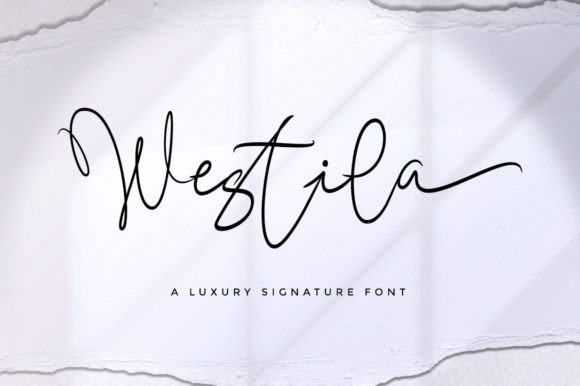
Westila belongs to the script category, but it avoids the messy, illegible traits often associated with handwritten styles. Its strokes are deliberate, flowing, and consistent, creating a sense of elegance without compromising on readability. For a digital product creator, this means you can use Westila to inject personality into a sterile interface without causing user friction. The font’s detailed craftsmanship ensures that it renders beautifully on high-resolution screens, making it ideal for hero sections where first impressions are critical.
When integrating Westila into a website, consider its role in establishing brand tone. It exudes sophistication and creativity, making it a perfect choice for brands that want to appear approachable yet professional. Whether you are designing for a boutique online store or a creative portfolio, this typeface adds a layer of human touch that standard sans serif fonts often lack.
Strategic Placement in Web Layouts
To maximize the impact of Westila, it is crucial to understand where it performs best within a visual hierarchy. This font is not designed for body copy or long-form text. Instead, it shines as a display font for short, impactful phrases. Here are some practical applications for web designers:
- Hero Section Headlines: Use Westila for the main headline on a landing page to grab attention immediately. Pair it with a clean, neutral background to let the intricate details of the letters stand out.
- Call-to-Action Buttons: For buttons with limited character counts, such as "Join Us" or "Shop Now," Westila can add a unique flair that encourages clicks, provided the size is large enough to remain legible.
- Section Dividers and Accents: Use smaller instances of the font for decorative elements between content blocks, adding rhythm and visual interest to scroll-heavy pages.
- Logo Text and Branding: If you are building a brand identity from scratch, Westila can serve as the primary logotype, especially for businesses in fashion, beauty, coaching, or artisanal goods.
By restricting Westila to these high-visibility areas, you maintain a clear scanning behavior for users. They can quickly identify key messages while enjoying the aesthetic pleasure of the typography.
Readability and Responsive Considerations
One of the biggest challenges with script fonts is ensuring they remain readable across various devices. Westila is neatly crafted, which helps, but web designers must still exercise caution. On mobile screens, complex scripts can become blurry or illegible if the font size is too small. Always test your layouts on multiple viewports. Ensure that line height and letter spacing are adjusted to prevent characters from overlapping, which can happen frequently with connected script styles.
Contrast is another vital factor. Westila performs exceptionally well on light backgrounds with dark text, but it can also pop against dark backgrounds if the weight is sufficient. When placing text over image overlays, ensure there is enough contrast or use a semi-transparent backdrop to maintain clarity. Avoid using this font for small UI elements like navigation menus or footer links, where simplicity and speed of recognition are paramount.
Effective Font Pairing Strategies
A script font rarely works in isolation. To create a balanced and professional web design, you need to pair Westila with complementary typefaces. The goal is to create contrast in style while maintaining harmony in mood.
Pairing with Sans Serif Fonts: This is the most common and effective strategy for modern web design. A clean, geometric sans serif font provides a stable foundation for the fluidity of Westila. Use the sans serif for body copy, subheadings, and navigation, allowing Westila to take center stage in titles. This combination feels contemporary, clean, and easy to read.
Pairing with Serif Fonts: For a more editorial or luxurious feel, consider pairing Westila with a classic serif font. This combination works well for blogs, magazines, or high-end e-commerce sites. The serif adds a sense of tradition and authority, while Westila introduces a personal, creative touch. However, be careful not to make the design feel too cluttered; keep the layout spacious and minimal.
Technical Implementation and Licensing
Before implementing Westila in your next project, verify the technical specifications. Check if the package includes webfont formats such as WOFF and WOFF2, which are optimized for fast loading on websites. Slow-loading fonts can negatively impact user experience and SEO rankings. Additionally, look for included alternates or ligatures, which can add variety to your designs and prevent repetitive visual patterns.
Multilingual support is another key consideration if you are designing for a global audience. Ensure that the font covers the necessary character sets for your target regions. Finally, always review the commercial font licensing terms. Whether you are using Westila for client projects, digital templates, or your own online store, proper licensing ensures you are compliant and supports the type designer. Many premium fonts offer specific licenses for web use, which may differ from desktop usage rights.
In conclusion, Westila is more than just a decorative element; it is a strategic tool for enhancing brand identity and user engagement. By understanding its strengths and limitations, web designers can leverage this script font to create memorable, conversion-focused digital experiences that resonate with audiences on an emotional level.