Lalita Lolita Font for Crafters
As a small business owner who spends hours designing labels, invitations, and printable art, I know that the right typeface can make or break a product. It is not just about making words readable; it is about evoking a feeling. When I first discovered Lalita Lolita, I immediately recognized its potential to elevate handmade goods. This enchanting handwritten font brings a level of warmth and personality that sterile digital text simply cannot match. For those of us creating physical products, from candle labels to wedding stationery, finding a script that balances artistic flair with commercial viability is a constant challenge. Lalita Lolita meets this need beautifully, offering a versatile aesthetic that feels both personal and polished.
The Visual Charm of a Handwritten Aesthetic
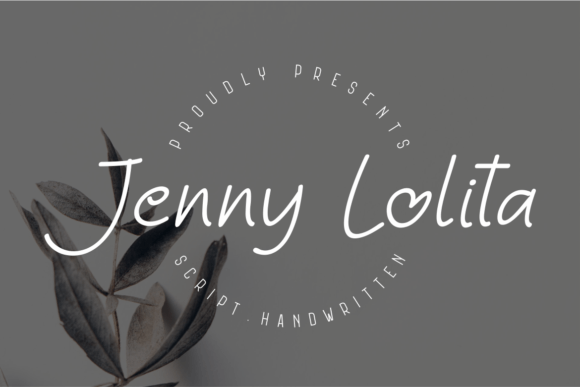
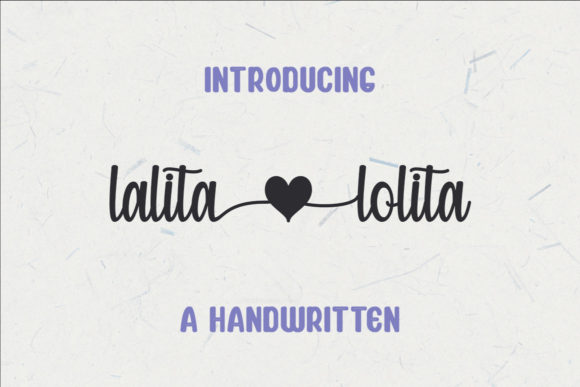
The appeal of Lalita Lolita lies in its authentic handwritten quality. Unlike rigid mechanical scripts, this typeface mimics the natural flow of a pen on paper. The strokes vary in thickness, creating a dynamic rhythm that catches the eye without overwhelming the design. For crafters, this means your products look less like mass-produced items and more like thoughtful, artisanal creations. Whether you are designing a boutique clothing tag or a custom sticker sheet, the font adds a layer of perceived value. Customers often associate handwritten styles with care and attention to detail, which aligns perfectly with the ethos of the handmade community.
This script font is particularly effective because it retains high readability despite its decorative nature. Many creative fonts sacrifice legibility for style, but Lalita Lolita strikes a healthy balance. This makes it an excellent choice for headlines, short phrases, and names where you want impact without confusion. It is not designed for long paragraphs of body text, but for the display purposes common in crafting—such as titles on greeting cards or prominent text on packaging—it performs exceptionally well.
Practical Applications for Handmade Products
The versatility of Lalita Lolita allows it to shine across a wide spectrum of applications. If you run an Etsy shop or a local boutique, consider how this font can unify your brand identity. Here are some specific ways I have integrated this font into my product lines:
- Product Labels and Packaging: For candle makers, soap artisans, and bakery owners, label design is crucial. Lalita Lolita looks stunning on minimalist kraft paper labels or clear vinyl stickers. It adds a touch of elegance to simple packaging, helping your product stand out on crowded shelves or in online thumbnails.
- Wedding and Event Stationery: Invitation designers will appreciate the romantic feel of this typeface. It works beautifully for couple names on wedding invites, save-the-dates, and menu cards. The fluid connections between letters create a cohesive look that feels celebratory and intimate.
- Home Decor and Signs: If you use cutting machines like Cricut or Silhouette, this font is a delight to work with. It cuts cleanly for vinyl wall decals, wooden farmhouse signs, and acrylic welcome boards. The connected letters often require fewer weeding steps compared to disjointed scripts, saving you time during production.
- Digital Printables and Planners: For creators selling digital downloads, Lalita Lolita adds a human touch to planner headers, quote prints, and journal covers. It helps differentiate your templates from generic office supplies, appealing to customers looking for aesthetically pleasing organizational tools.
Enhancing Brand Identity and Customer Appeal
Consistency is key in building a recognizable brand. Using a distinctive font like Lalita Lolita across your social media graphics, website banners, and physical products creates a cohesive visual language. When customers see that specific handwritten style, they begin to associate it with your shop’s unique voice. This emotional connection can drive repeat business. A well-chosen typeface communicates your brand values—whether that is whimsical, rustic, elegant, or modern—before the customer even reads the content.
Moreover, the psychological impact of handwriting should not be underestimated. In a digital age, handwritten elements feel personal and authentic. They suggest that a real person was involved in the creation process. For small shop owners, this is a powerful tool to compete with larger corporations. By incorporating Lalita Lolita into your logo design or packaging, you signal that your products are crafted with love and individuality.
Readability and Technical Considerations for Crafters
While beauty is important, functionality is non-negotiable for commercial use. One of the standout features of Lalita Lolita is its PUA encoding. For those unfamiliar with technical typography terms, PUA (Private Use Area) encoding means you can easily access special characters, alternates, and ligatures using standard keyboard shortcuts. This is a game-changer for designers who want to customize their text without needing advanced graphic design software skills. You can swap out standard letters for decorative swashes or alternate forms to create unique compositions for each project.
When using this font for small items like jewelry tags or tiny stickers, always test the size. Script fonts can become illegible if scaled down too far. I recommend printing a test sheet at actual size to ensure the loops and tails do not merge or disappear. For cutting machines, adjust your cut settings to account for the delicate connectors between letters. A slightly thicker material or a multi-cut pass may be necessary for intricate designs to prevent tearing.
Font Pairing Strategies for Professional Designs
To maximize the impact of Lalita Lolita, pair it with complementary typefaces. A good rule of thumb is to contrast the organic flow of a script with the structured simplicity of a sans serif font. For example, use Lalita Lolita for the main headline or name, and a clean, geometric sans serif for the supporting details like dates, addresses, or ingredient lists. This combination ensures that the decorative element remains the focal point while the informational text remains easy to read.
You can also experiment with pairing it with a classic serif font for a more traditional or vintage look. This works well for wedding invitations or heritage-style branding. Avoid pairing it with another overly decorative script, as this can create visual clutter and reduce readability. The goal is to let Lalita Lolita shine as the star of the design while supporting fonts play a subordinate role.
Licensing and Commercial Use
Before launching any new product line, it is essential to review the licensing agreement for your fonts. Most premium fonts, including Lalita Lolita, offer specific licenses for commercial use. This typically allows you to sell physical products like mugs, shirts, and printed cards that feature the font. However, rules regarding digital templates or embedding fonts in editable PDFs may vary. Always check the specific terms provided by the creator to ensure you are compliant. Investing in a proper commercial license protects your business and supports the typographers who create these valuable design assets.
In conclusion, Lalita Lolita is more than just a pretty typeface; it is a practical tool for enhancing the appeal of handmade products. Its blend of charm, readability, and technical flexibility makes it a valuable addition to any crafter’s toolkit. By understanding how to use it effectively in labels, signage, and stationery, you can create designs that resonate with customers and elevate your brand presence.